
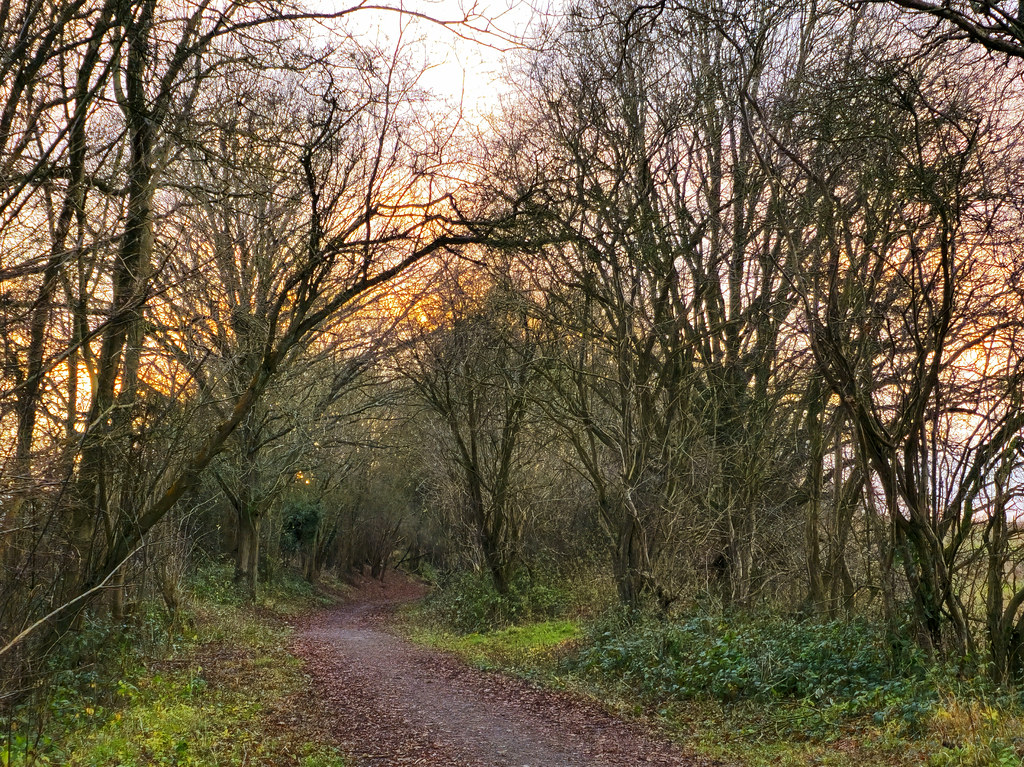
The Energy Shift Many Professionals Ignore
With Bonfire Night behind us, the clocks already back and the light fading before most people have left their desks, something shifts that is hard to put a name to.
Nothing dramatic. You feel mentally heavier, sooner. Recovery takes longer. Motivation turns up less reliably, and by the end of the day there is a flatness that a good night’s sleep does not entirely fix. You want more space at exactly the point your responsibilities are increasing.
Because the change is gradual, most people put it down to a lack of discipline, or tiredness they ought to push through, or a sign they are not coping as well as usual.
But people are not separate from the seasons. Less daylight, sustained pressure and very little recovery affect capacity far more than most of us allow for.
What I notice at this point in the year is how many capable people expect their reserves to match the ones they had in March. Even though the body is more tired, the mind is fuller, and emotional capacity has been stretched for months.
By November, most people are no longer responding to current pressure. They are responding to accumulated pressure. A long year of continuous responsibility and limited recovery, with home life carrying on underneath darker mornings and much shorter afternoons.
And the first thing that goes is rarely energy. It is perspective.
Attention contracts. Patience shortens. Whatever is most urgent fills every available space, and life starts to feel like a long cycle of responding rather than thinking. People keep delivering and keep supporting everyone else, while gradually losing sight of what still feels meaningful, and whether the pace they are keeping resembles the life they actually wanted.
It is hardest for the people who step forward whenever pressure rises. The dependable colleague. The steady leader. The parent who carries whatever needs carrying, however tired they are. They function well enough that the depletion goes unnoticed, by other people and sometimes by themselves.
Resilience is often taken to mean pushing through. In practice, the most sustainable people are the ones who notice when restoration is needed before the depletion deepens, and who treat protecting their perspective as maintenance rather than avoidance.
Sometimes that looks practical:
- More sleep, and firmer boundaries
- Time outside while there is still daylight
- Fewer inputs, and a deliberately quieter mind
- An hour in the diary that exists only for thinking
Sometimes it looks emotional. Slowing down enough to notice what has been carried for too long. Reconnecting with the people, and the parts of life, that create steadiness rather than more output.
Nobody is built to run at full cognitive and emotional intensity indefinitely. Noticing the seasonal shift is not about becoming less capable. It is about staying well enough to remain capable.
As the year moves into its final stretch, perhaps consider:
- What have I noticed in myself lately that I dismissed too quickly?
- Where has constant responsibility crowded out my wider view?
- When did I last make proper space to think, rather than respond?
- What genuinely replenishes me, and how much of it is in my week?
Most leaders already know the kind of support they wish their people had. The difficulty is making room for it before the strain shows. For some, a few hours of outside support each month is enough to keep thinking rather than only reacting.
You can explore the different services available here:
Or message “RESTORE” if you would like to explore how to protect your energy and your thinking through a demanding stretch of the year.
Because sometimes the body and mind are not failing.
They are asking for rest before exhaustion asks on their behalf.